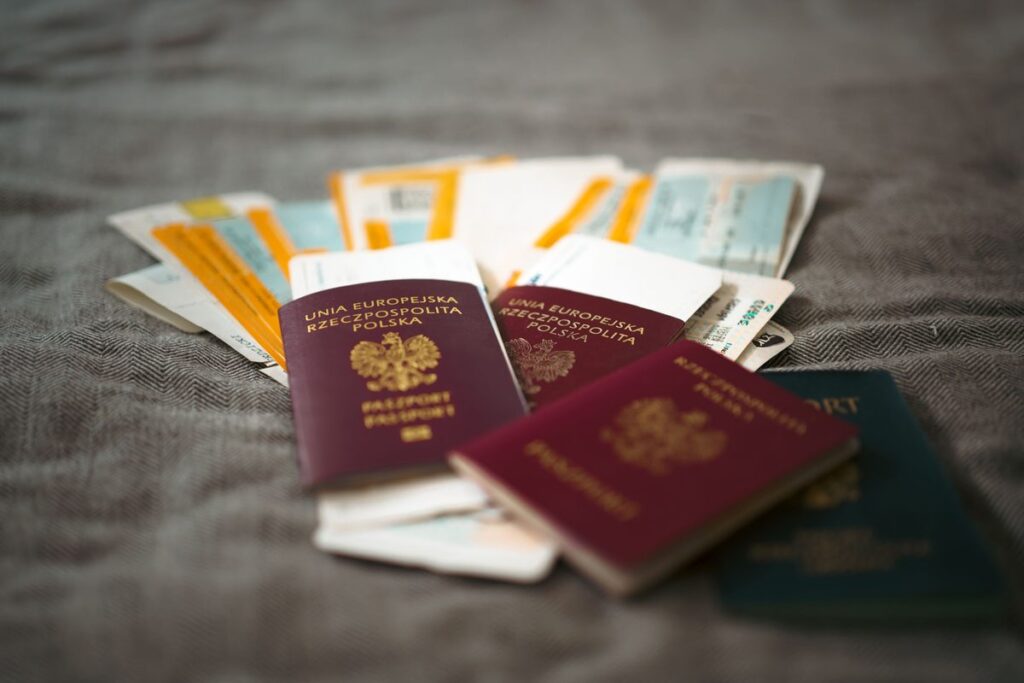
A fake overseas job offer usually looks real until the money is gone. A real overseas job offer survives every check in this guide. The story usually goes like this. Someone has a cousin of a friend who “knows a company in Saudi Arabia”. There is a visa on offer, a salary that sounds a bit too good, and a request for a large payment up front, often in cash. A few weeks later the phone is switched off. We are describing a typical pattern here, not one particular case, but anyone who has talked to families around recruitment season will recognise it.
The frustrating part is that Pakistan already has a system for checking an overseas job offer before you pay. It is run by the Bureau of Emigration and Overseas Employment (BE&OE), and most of it is free to use. This guide explains how it works, using BE&OE’s own pages and a government checklist reported by ARY News in May 2026.

Three ways people legally work abroad
BE&OE describes the routes like this. You can go through a licensed Overseas Employment Promoter (OEP). You can go on a direct employment visa that you find yourself or through relatives or friends already living or working in the host country. Either way, you must be registered with the relevant Protector of Emigrants.
Notice what is missing: random agents, diagnostic centres, Facebook groups. BE&OE says plainly that diagnostic centres cannot recruit or send workers abroad.
How a proper recruitment is supposed to run
A genuine overseas job offer passes through the same few official stages every time. If an overseas job offer skips one of them, treat it as a warning.
On its page about OEPs, BE&OE explains the chain. A promoter brings a manpower demand from a foreign employer to the regional Protectorate and asks permission to recruit. Once approved, the vacancy is advertised in a leading newspaper. People who are selected are then registered with the Protector of Emigrants, who briefs them on the foreign service agreement and the conditions in the country they are going to.
If your agent skipped any of those steps, you have a problem, however friendly he sounds.
Seven things to check in any overseas job offer before you pay
The checklist reported by ARY News on 4 May 2026 boils down to this:
- The recruiter has approval from the Protector of Emigrants before recruiting, advertising or interviewing. The report says this applies to everyone except the Overseas Employment Corporation.
- The advertisement shows a permission number and date.
- The approval has not expired. It is typically valid for 120 days, extendable up to 365 days with written consent, and recruiting after it lapses is illegal.
- The employer and vacancies are real. The recruiter’s power of attorney and demand letter should be verified by the Pakistani embassy or the destination country’s foreign ministry.
- Wages, accommodation and medical facilities meet the government’s minimum standards.
- The contract is formally registered, so the government and labour attachés can step in if there is a dispute.
- Insurance and welfare fund contributions are paid. They cover accident, death or repatriation.

Checking the agent himself
Even a well-written overseas job offer is worthless if the agent behind it is not licensed. Always check the licence before you discuss any overseas job offer further.
Do these in order, and do not skip the boring ones.
- Look for the OEP on the valid licence list on the BE&OE website, or call the Protector of Emigrants office.
- Ask for proof of the approved demand and the permission number.
- Read every line of the contract and show it to the Protector’s office.
- Get a receipt for every payment, however small.
- Verify the advertisement with the relevant Protectorate office.
What a licensed promoter is not allowed to do
A promoter who breaks these rules is not someone to trust with an overseas job offer.
BE&OE’s code of conduct is worth reading because it tells you what bad practice looks like. A licensed promoter must keep a regular office with a signboard, give you a copy of your agreement and explain it in front of the Protector, and charge only the service charges permitted by the rules. He must not bribe Protector staff, State Bank staff or airport officials, and he must not help with forged visas or misuse visit, study or Umrah visas to send people abroad.

Registration day
Registration is the point where an overseas job offer becomes traceable, so do not skip it. Keep every receipt connected to the overseas job offer in one folder.
When the recruitment is genuine you register with the Protector of Emigrants. According to the BE&OE FAQ page, you take: the permission number, passport, CNIC, insurance certificate, welfare fund slip, protector fee slip, bank certificate or service charges slip, registration fee slip, adhesive stamp fee and the foreign service agreement.
The documents are verified, you sit through a briefing, you get a registration number, and a protector sticker goes into your passport. The Protector’s officer signs and embosses it. After that, a final briefing covers your health and legal rights.
Insurance, in a few lines
Insurance is another document that should come with a real overseas job offer.
The compensation is Rs. 1 million for death or disability, but only while the insurance is valid. It has to be renewed after two years, at a Protector of Emigrants office in Pakistan or at the Pakistan embassy abroad. A death claim is filed by the nominee or a close relative at the Protector’s office during the validity period, and a disability claim by the worker himself. Tell your family where to go, and leave them a copy of the policy.
Words you will keep hearing
These are the terms that appear in almost every overseas job offer. Learn them once and no overseas job offer will confuse you.
| Term | Meaning |
|---|---|
| OEP | Overseas Employment Promoter, licensed by the federal government to recruit for jobs abroad. |
| Demand | A foreign employer’s request for workers. Once approved it is valid for 120 days. |
| Permission number | The approval number for that demand. It should be on the advertisement. |
| Protector of Emigrants | The government office that registers you, countersigns your contract and protects your rights. |
| Foreign Service Agreement | Your written contract. The Protector must countersign it. |
Red flags in an overseas job offer
Be careful if the advert has no permission number, if the person recruiting is a diagnostic centre or a “friend of an agent”, if there is no written contract or it differs from what you were told, if payments are taken without receipts, or if anyone suggests you travel first and register later.
If you have already paid for an overseas job offer
Stop sending money, even if the agent says one last payment will release the visa. Collect receipts, chats, call logs, his name, phone number and office address. Check him against the licence list. Then complain, with documents, to BE&OE headquarters or a Protector’s office. BE&OE says complaints against unlicensed agents are referred to the FIA and the complainant is informed. And do not travel on a doubtful visa to “see what happens”, because without proper registration you may have no protection or insurance at all.
Questions people ask
These are the questions people ask most often about an overseas job offer. Each answer assumes you have not paid anything yet for the overseas job offer. More guides are in International Jobs.
How do I check whether an overseas employment promoter is genuine?
The Bureau of Emigration and Overseas Employment (BE&OE) says to look for the promoter on the valid OEP licence list on its website, or to ask the Protector of Emigrants office. Then ask to see proof that the job demand has been approved.
What does a Protector of Emigrants actually do?
Under the Emigration Ordinance 1979, Pakistanis going abroad on a work visa must be protected. The Protector countersigns your foreign service agreement, briefs you on the rules in the host country, and puts a protector sticker in your passport after you are registered.
Can I go abroad without an agent?
Yes. BE&OE lists a direct employment visa as one of the routes, which you get on your own or through relatives and friends already working or living in the host country. You still have to register with the relevant Protector of Emigrants.
Can a diagnostic centre send me abroad?
No. BE&OE says medical diagnostic centres cannot recruit or send workers abroad. Use a licensed OEP, or an agency working under a local Protectorate office.
How long does a job demand stay valid?
BE&OE’s FAQ says an approved demand is valid for 120 days, and the Director General can extend it in special cases. A May 2026 ARY News report on a government checklist says approval can be extended up to 365 days with written consent.
Where do I report a fake agent?
BE&OE says complaints about unlicensed agents, with supporting documents, are referred to the Federal Investigation Agency. You can also go to BE&OE headquarters, a Protector of Emigrants office, the Community Welfare Attaché, the Wafaqi Mohtasib’s overseas Pakistanis complaint cell, or the Ministry of Overseas Pakistanis and Human Resource Development.
I change my job abroad. Do I need clearance again?
Yes. BE&OE says a new job needs fresh protector clearance from the relevant Protector of Emigrants office, even if you were protected before.
What does the insurance pay?
BE&OE states Rs. 1 million for death or disability, but only if the insurance is valid. Nothing is payable if it was not renewed after two years. You can renew at a Protector of Emigrants office in Pakistan or at the Pakistan embassy in the host country.
This is general information, not legal advice. Procedures change, so confirm each step with BE&OE or your nearest Protector of Emigrants. MicroJobHub does not recruit and never asks anyone for money.