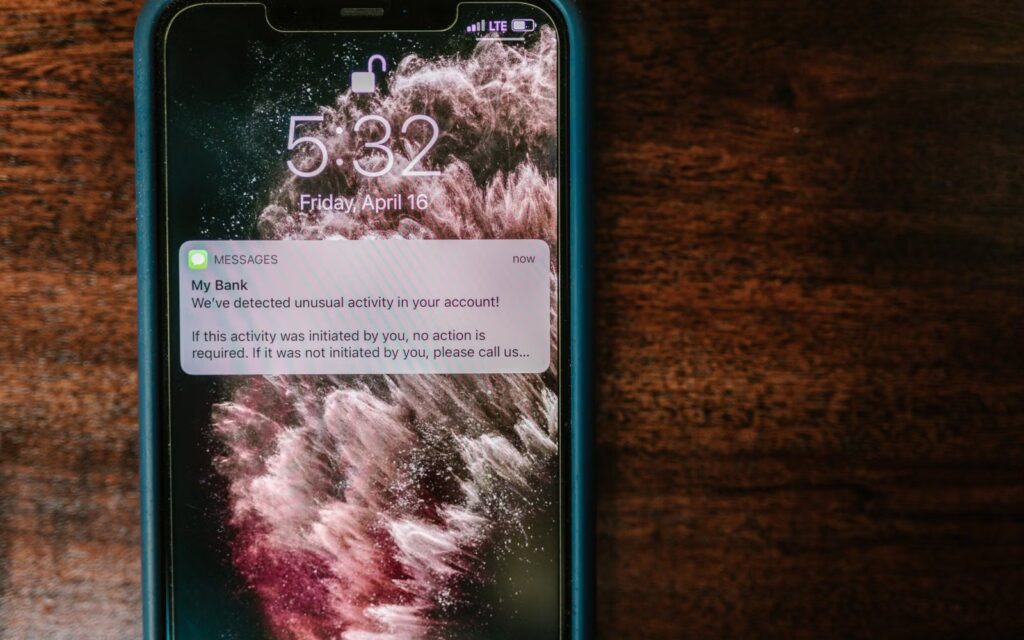
The online task scam is now one of the most common frauds in Pakistan, India and Bangladesh. It starts with a friendly message offering part-time work: like a few videos, rate products or follow pages, and earn money in two hours. The first payments are real. The losses come later. This guide shows exactly how the scam works, the warning signs, and what to do if you have already paid.
Quick answer: If a stranger on WhatsApp or Telegram pays you for likes, follows or reviews and then asks you to deposit money to unlock bigger tasks, it is a scam. Stop paying, save all evidence, contact your bank immediately and report it: NCCIA helpline 1799 in Pakistan, or 1930 in India.
How the scam works, step by step
Indian cyber police described the pattern in a November 2025 public warning. The same script is used across South Asia:
- Recruitment: you get a message or are added to a Telegram or WhatsApp group promoting easy part-time earning.
- Simple tasks: like YouTube videos, rate products, follow accounts or write short reviews.
- Small real payments: early tasks pay a little, which in India was about ₹50 to ₹500 each, to build trust.
- The upgrade: you are told to deposit money for “premium” or “bulk” tasks that pay more.
- The trap: your balance looks large, but withdrawal needs another fee, a tax, or one more task. The money never comes back.
| Real online work | Task scam |
|---|---|
| You apply on the platform’s official website | A stranger contacts you on WhatsApp or Telegram |
| You never pay to work | You must deposit money to unlock tasks |
| Pay matches the effort | Easy tasks with unrealistically high pay |
| Withdrawal follows published rules | Withdrawal needs new fees every time |
| Clear company name and support | Only usernames, groups and screenshots |
Warning signs
- Unexpected job offers from unknown numbers, often with foreign codes.
- Promises like “earn $20 in 2 hours” or “daily income guaranteed”.
- Payment requests to personal bank accounts, wallets or QR codes.
- Pressure to act quickly, or group chats full of members posting “payment proof”.
- Requests for your CNIC, Aadhaar, bank login or OTP.
Already paid? Do this now
- Stop paying. Every “last fee” is another loss.
- Call your bank or wallet provider straight away and ask them to block or flag the transfer.
- Save evidence: chat screenshots, phone numbers, group links, transaction IDs and account numbers.
- Report it:
- Pakistan: NCCIA cybercrime helpline 1799.
- India: national cyber helpline 1930 or your nearest police station.
- Bangladesh: your nearest police station.
- Report the account inside WhatsApp or Telegram and leave the group.
- Warn family and friends, because scammers often reuse your contacts.
Where to find real online work instead
Legitimate platforms never charge you to work. If you want to earn online, start with a real skill or established platforms, and read our honest guides below.
Related guides
- How to Earn $20 a Day Online
- AI Training and Data Annotation Jobs from Home
- How to Check if an Overseas Job Offer Is Real
- How to Check a Licensed OEP in Pakistan
- Online Earning Apps in Pakistan
- Micro Jobs in Pakistan
FAQs
What is an online task scam?
A fraud where strangers on WhatsApp or Telegram pay you small amounts for simple tasks like liking videos, then ask you to deposit money for bigger tasks and never let you withdraw.
Why did they pay me at first?
The first small payments are bait to win your trust. Once you believe the job is real, they ask for larger deposits.
Where do I report an online task scam in Pakistan?
Call the National Cyber Crime Investigation Agency (NCCIA) helpline 1799, which handles cybercrime complaints in Pakistan.
Where do I report it in India?
Call the national cyber helpline 1930 or go to your nearest police station, as advised by Indian cyber police.
Can I get my money back?
Sometimes, if you act fast. Contact your bank or wallet provider immediately, report the case to the cybercrime helpline, and keep all screenshots and transaction IDs.
Pay rates, country rules and platform policies change often. Check each platform’s own site before signing up, and never pay anyone to get a job. Last reviewed: 16 November 2026. Photo: RDNE Stock project on Pexels. Sources: Free Press Journal on Mumbai cyber police task-scam warning, November 2025; Arab News on Pakistan’s NCCIA helpline 1799, June 2025. How we check facts: editorial policy.



Questions and comments